EYELID Research
EYELID OPHTHALMIC Current research on Intraocular Lenses (IOLs)—artificial lenses implanted during cataract surgery—focuses on improving visual quality, biocompatibility, and surgical outcomes through advanced materials and optical designs.
1. Advanced Optical Designs
Modern research aims to provide a “full range of vision” to reduce dependence on glasses.
PubMed Central (PMC) (.gov) +4
- Premium IOLs: Development of Multifocal, Trifocal, and Extended Depth of Focus (EDOF) lenses to provide clear vision at near, intermediate, and distant points.
- Aspheric IOLs: Designed to match the natural shape of the human lens, reducing spherical aberrations and improving contrast in low-light conditions.
- Light Adjustable Lenses (LAL): Technology that allows surgeons to fine-tune the lens power using UV light after it has been implanted in the eye.
2. Material Innovations
Research is moving from rigid materials to flexible ones that allow for smaller surgical incisions.
- Hydrophobic vs. Hydrophilic Acrylic:
- Hydrophobic lenses are currently the most popular due to a lower risk of Posterior Capsular Opacification (PCO) (clouding after surgery).
- Hydrophilic lenses are thinner and more biocompatible but have higher rates of calcification and PCO.
- Injectable Liquid IOLs: Ongoing studies into liquid polymers that can be injected into the eye and then solidified, potentially restoring the eye’s natural ability to focus (accommodation).
- Surface Modifications: Grafting drugs or chemical molecules onto lens surfaces to prevent inflammation and bacterial growth.
3. Surgical Precision & Centration
Even a high-tech lens fails if it is not centered perfectly.
- Digital Guidance: Use of intraoperative imaging and Femtosecond Laser-Assisted Cataract Surgery (FLACS) to ensure the lens is perfectly aligned with the patient’s visual axis.
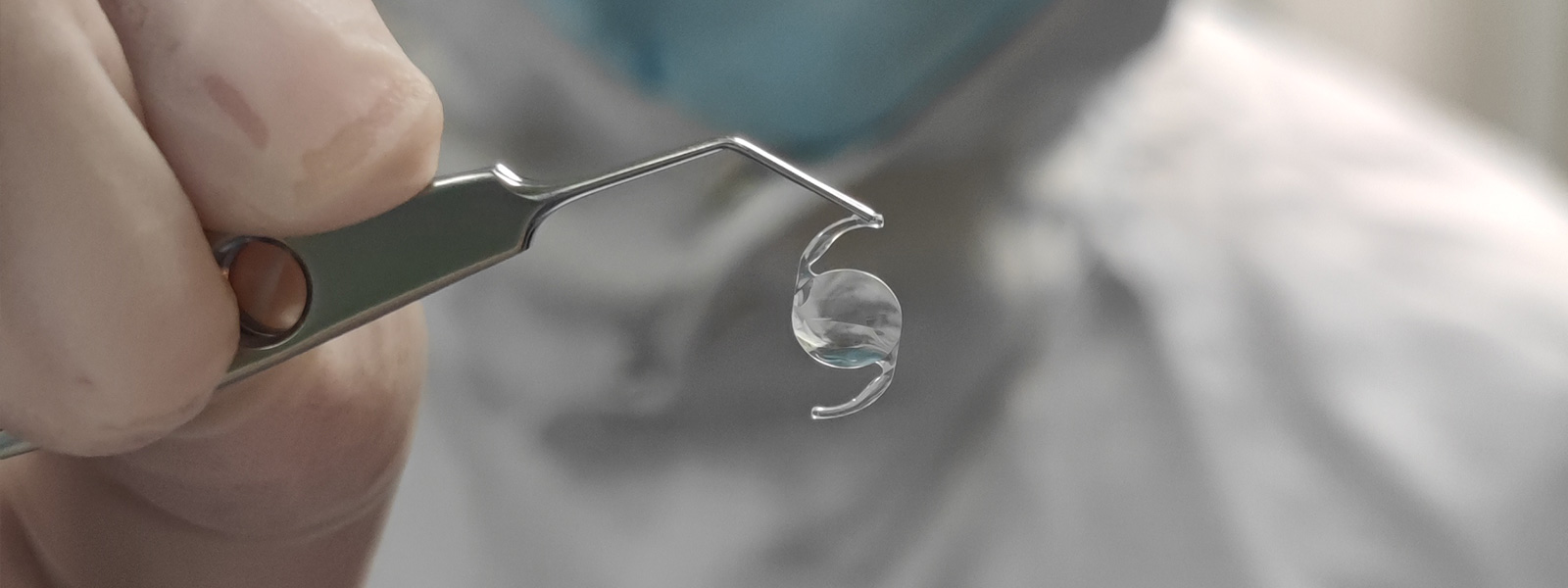
- Haptic Stability: Researching “rigid” haptics (the side arms that hold the lens) to prevent the lens from tilting or shifting over time.
4. Specialized Applications
- Toric IOLs: Specifically designed and researched to correct astigmatism.
- Pediatric IOLs: Use of the “Rule of 7” to calculate appropriate lens power for growing children.
- Biosensing IOLs: Future lenses may include sensors to monitor intraocular pressure (important for glaucoma patients) or glucose levels
The field of Intraocular Lenses (IOL) is currently undergoing a “digital and functional revolution.” Research has moved beyond simply clearing vision to creating “smart” biological interfaces and high-precision optics.
1. 2025–2026: The “Smart” IOL Frontier
Lenses are being redesigned to act as permanent diagnostic tools rather than just passive pieces of plastic.
- IOP-Sensing Lenses: Research into embedding micro-sensors into the IOL (or capsular rings) to monitor intraocular pressure (IOP) 24/7. This data is transmitted to smartphones, allowing for personalized glaucoma medication adjustments without frequent clinic visits.
- Glucose-Monitoring IOLs: Experimental studies are exploring chemical sensors within the lens material that can track glucose levels in the eye’s aqueous humor to help manage diabetes and prevent retinopathy.
- AI-Designed Optics: In 2025, the first AI-designed IOLs (like the RayOne Galaxy) were implanted. AI optimizes how light is distributed across the lens surface to maximize clarity while minimizing side effects like halos
Post-Operative Adjustability
A major research trend is the Light Adjustable Lens (LAL).
- How it works: The lens is implanted, and after the eye heals, a UV light is used to “shape” the lens until the patient is happy with their vision.
- New Research: Recent studies focus on repeated adjustability, using polymers that can be “reset” and re-adjusted multiple times throughout a patient’s life
Preventing “Secondary Cataracts” (PCO)
Posterior Capsular Opacification (PCO)—a film that grows behind the lens—is the most common complication.
- Square-Edge Design: Research confirms that a sharp, “square” edge on the back of the IOL acts as a physical barrier to stop cell growth.
- Drug-Eluting Coatings: Lenses are being tested with coatings that slowly release drugs (like anti-inflammatories) to prevent cells from migrating behind the lens.
5. Alternative “IOL” (Induction of Labor)
If your research is obstetric, recent data (2024–2026) shows:
Method Trends: Hospitals are increasingly moving toward combination methods (e.g., using a balloon catheter followed by medication) rather than medication alone, as it often leads to more efficient deliveries
Increased Rates: Induction rates have surged to over 34% of all births in the U.S.
Shift in Timing: There is a significant trend toward inductions at 37–38 weeks (early-term), even without medical indications, a practice researcher is currently debating.