

Preloaded
Eyelid monofocal IOL Offers
Eyelid monofocal IOL optical design offers an advanced vision, especially when the pupil becomes larger in the dim light condition; the posterior surface is the higher order aspherical surface, which aims to compensate the different corneal aberration and realize the higher contrast sensitivity and different depth of focus to meet the vision needs from different patients.
Hydrophobic Aspheric
2. Eyelid monotonal IOLs offer slight negative asphericity that neutralizes part of the positive aberration of the cornea.
4. Eyelid IOLs has sharp square edge which effectively prevents PCO
5. Eyelid Natural Yellow IOL protect the macula against UV and partial blue light, preserving natural color perception and contrast sensitivity under mesopic conditions
PRELOADED ASPHERIC
| MODEL | PML 26, PML 28 |
| Lens Type | Single-piece Posterior Chamber lOL |
| Optic Design | Monofocal, Aspherical Posterior Surface, Biconvex, Aberration-free |
| Material | Biocompatible Hydrophobic Acrylate Copolymer, Blocking UV and Partial Blue Light Water content:<0.5% |
| Color | Slightly Yellow |
| Refractive Index | 1.55 at 35°C |
| Diopter Range | +10.0 D ~ +30.0 D (0.5D increment) |
| Haptic Confguration | Modifed C-Loop, 0°angulation |
| Diameters | 6.0 mm ( Effective Optical Diameter ) / 13.0 mm ( Overall length ) |
| Edge Design | Sharp Square Edge |
| Recommended Optical .A Constant | 119.2 |
| Recommended Ultrasound .A Constant | 118.9 |
| Optimized Constants | Haigis: a0=-1.627, a1=0.305, a2=0.248 Hoffer Q: pACD=5.64; Holladay I: SF=1.95; Holladay II: ACD=5.745; Barrett LF:1.99 |
| Sterilization | Ethylene Oxide |
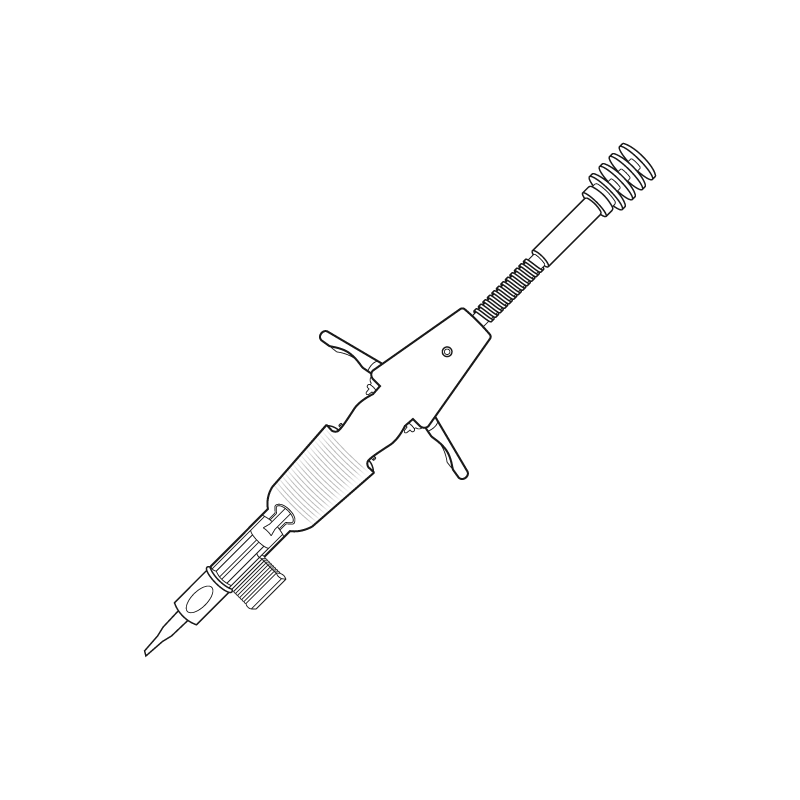
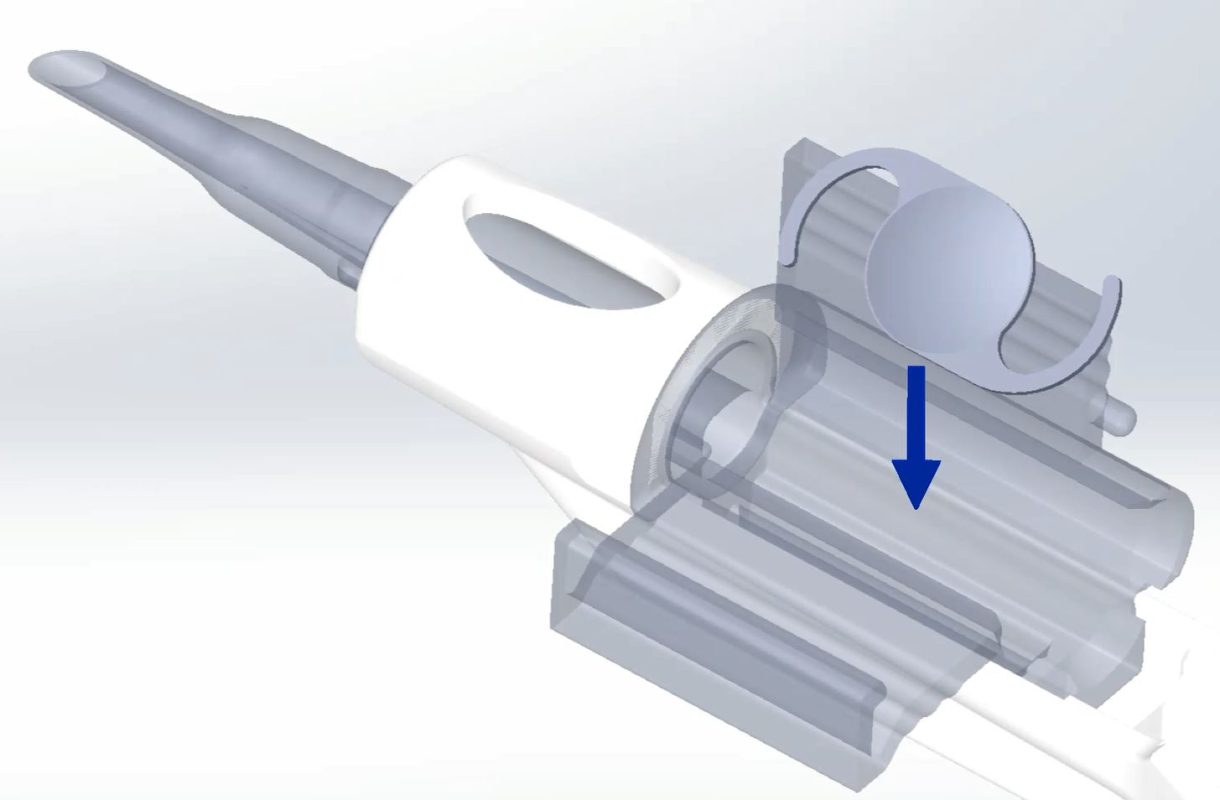
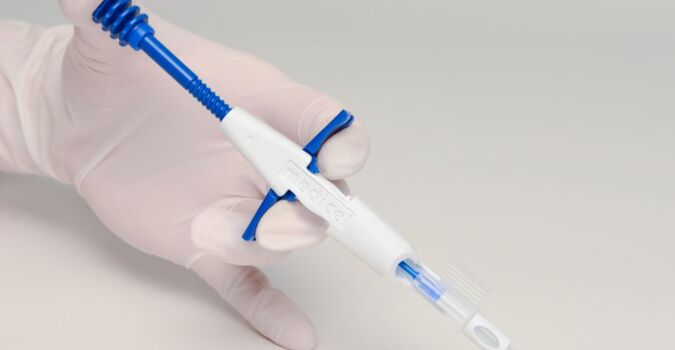
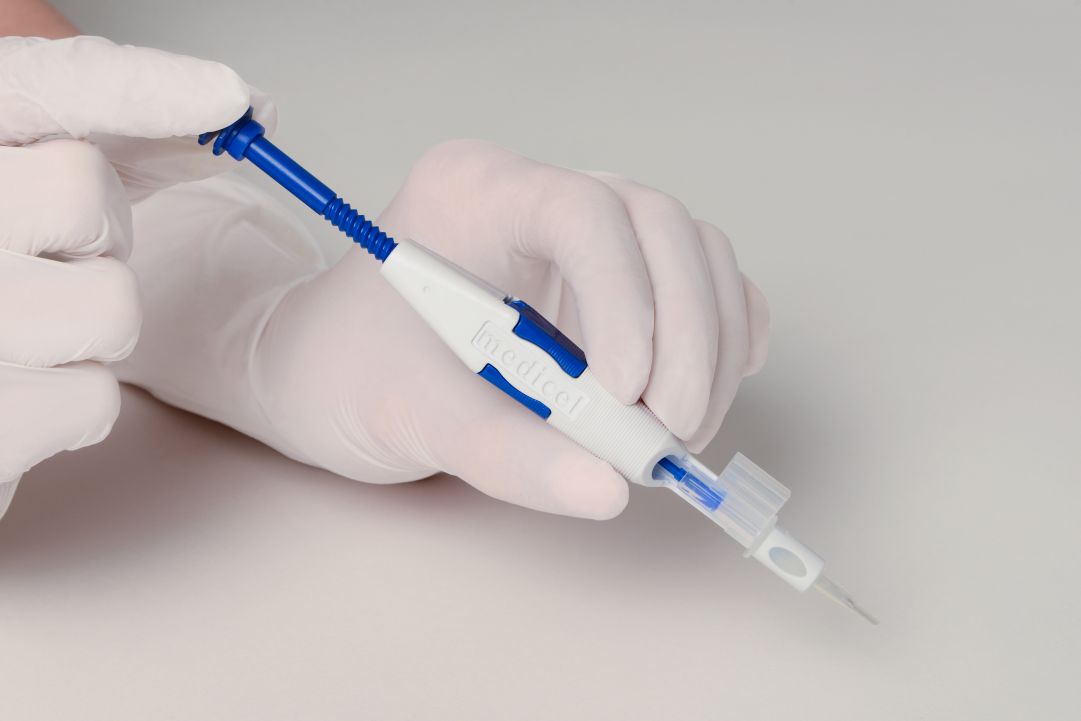
| Injector | Medicel ACCUJECT Dual Pro ( Push / Screw Mode ) |
| Incision Size | 2.2mm |
Foldable hydrophilic ASPHERIC
Product spectral transmittance curve graph
Traindications:1. Endothelial cell corneal dystrophy.2. Concurrent cataracts with recurrent iritis, iris atrophy, cataracts of allergic dermatitis, etc. 3. Those whose vision cannot be corrected due to posterior eye disease.4. Recurrent anterior or posterior segment inflammation of unknown cause.5. Those whose observation, diagnosis or treatment of posterior segment eye disease is affected by the implantation of an intraocular lens.6. Patients who have difficulty with cataract extraction, such as those with persistent bleeding, severe iris damage, uncontrollable intraocular pressure elevation, or significant vitreous prolapse.